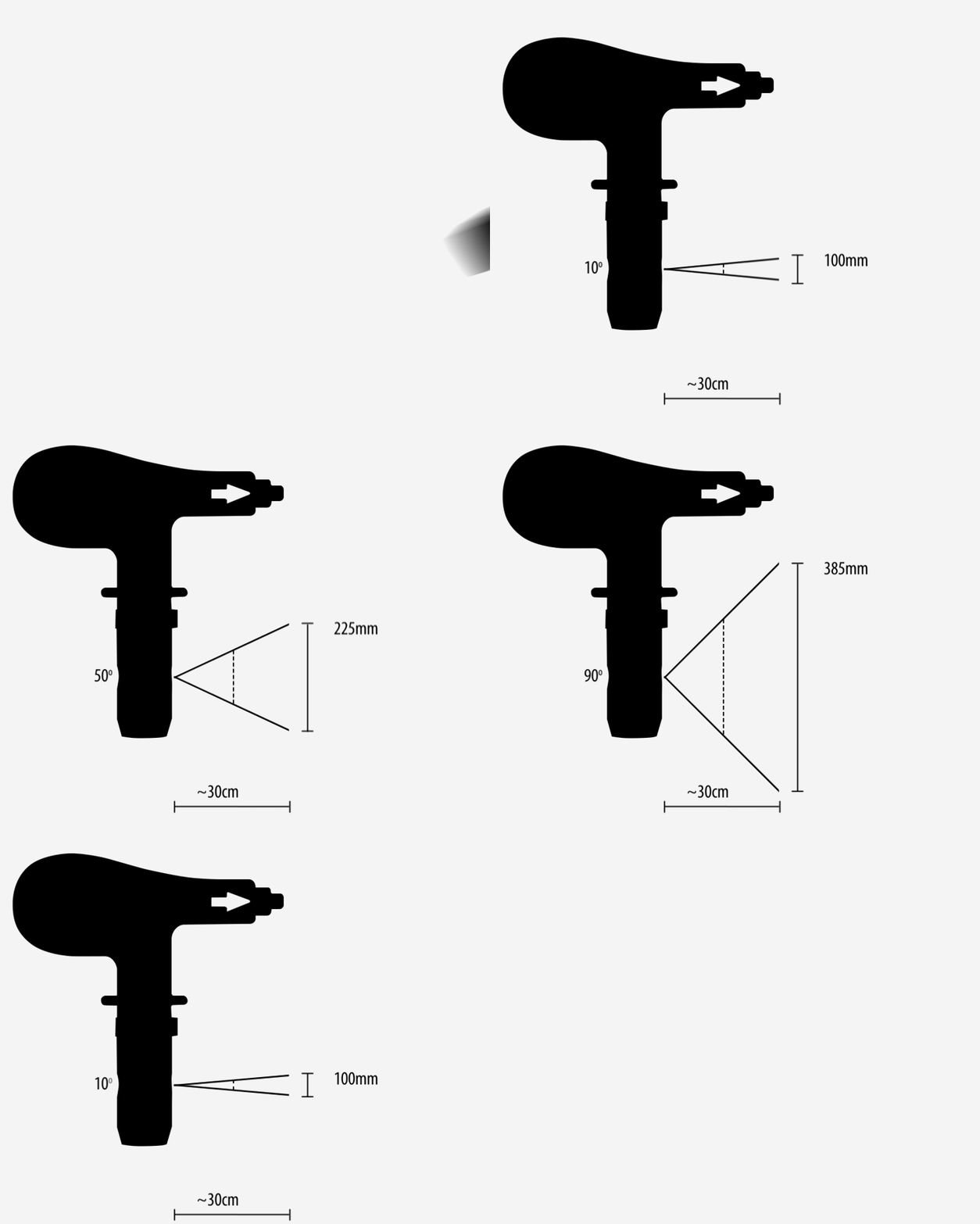
Two factors affect the spray jet: the size of the bore and the jet width.
These two key factors determine how much material is sprayed onto what size surface area, which then determines the required labour time and the amount of product used. The nozzle opening, i.e. the bore diameter, determines the paint flow rate. Where the jet width stays the same, the larger the opening, the more coating material is sprayed onto the same surface area – resulting in more paint being used and a thicker layer. The jet width determines how wide the spray is. With the same size nozzle opening, the thickness of the applied material is always thinner the wider the spray jet is. The volume of paint on the surface therefore reduces as the width of the spray jet increases.
You can identify these two key factors by the number on the nozzle. The first digit represents the angle, which ultimately determines the jet width. The second and third digits indicate the nozzle bore and therefore which size opening the airless nozzle has. Nozzle 517, for example, has a spray angle of 50°, which corresponds to a jet width of approx. 225mm at a distance of 30cm from the surface and a bore diameter of 0.017 inches.
We also develop airless paint sprayer nozzles ourselves in-house at WAGNER. Our aim is to enable you to achieve a perfect spray pattern with very little material wastage and with minimal effort.